Calculators are simple machines and they fail in a small number of predictable ways. Almost all of them are preventable, and almost all of them are caused by how the machine is carried rather than how it is used.
The case is the whole story
Most calculator deaths are screen damage, and most screen damage happens in a bag. A slide-on hard case takes the pressure of a textbook pressing against the display.
If the case has been lost — and slide cases are lost constantly — a rigid pencil case or a dedicated pocket in the bag does the same job. What does not work is the calculator loose at the bottom of a bag with keys and a water bottle.
Signs of pressure damage
A dark patch, a line of missing pixels, or segments that show permanently. None of these is repairable economically. Once a display is damaged the machine is finished, which is why the case matters more than anything else here.
Batteries
Two failure modes.
Running flat
Gradual dimming, then unpredictable behaviour — a machine that resets mid-calculation or gives odd results is usually low on power rather than faulty. On a dual-power machine this is easy to miss, because the solar cell keeps it alive in good light and it fails in poor light.
Replace the battery annually if the machine is used daily, and always before an exam season. It is a small cost against the alternative.
Leaking
The one that destroys machines. A battery left in an unused calculator for years can leak, and the residue corrodes the contacts beyond repair.
If a calculator is going into a drawer for a year, take the battery out. If you find corrosion — a white or green crust on the contacts — it can sometimes be cleaned with a cotton bud and isopropyl alcohol, but often the damage is already done.
Solar cells
The strip of cells above the display needs light, and it needs to be clean. A fingerprinted or dusty cell can lose a noticeable amount of output. Wipe it with a dry soft cloth occasionally.
Solar cells also degrade slowly over many years. An old dual-power machine that only works in bright light usually needs a new battery, not a new calculator — the solar cell has been quietly carrying it.
Sticky and unresponsive keys
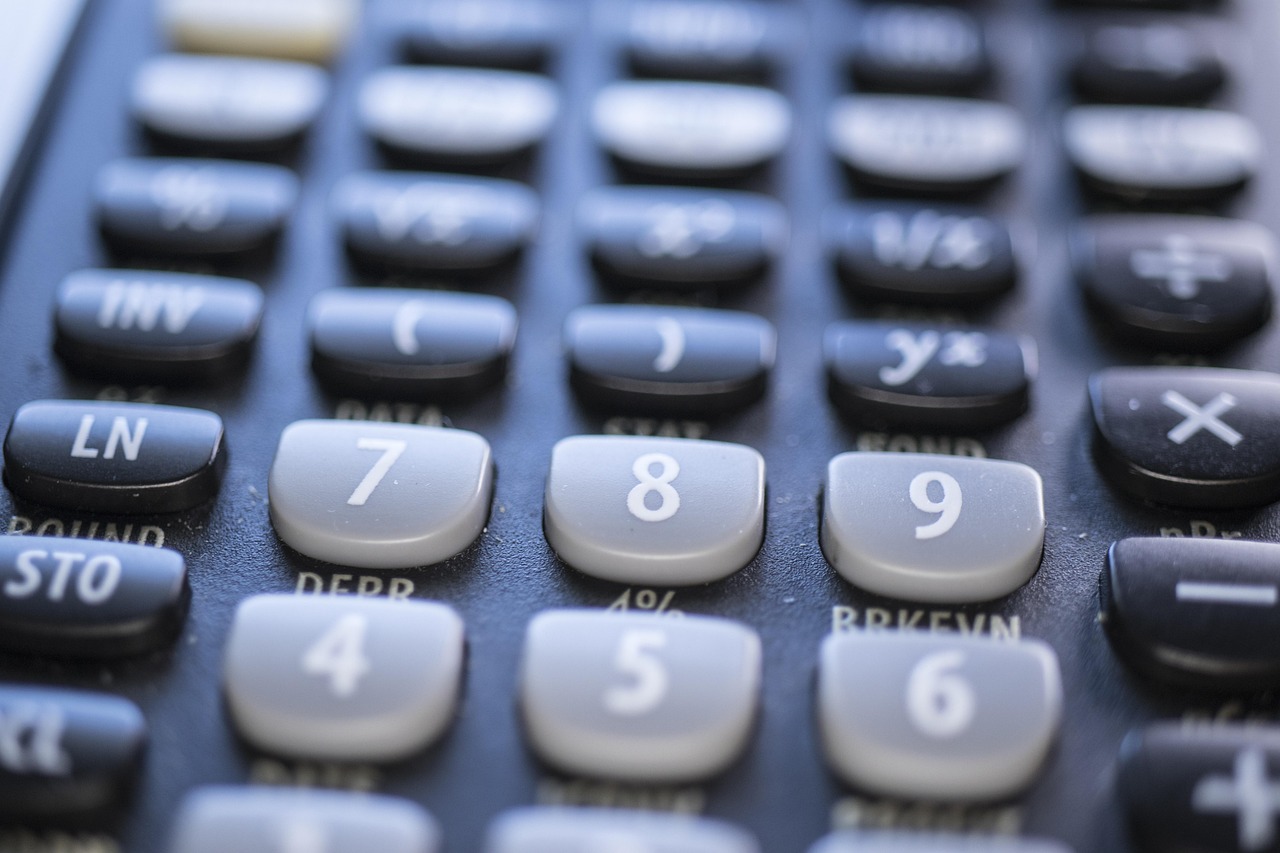
Usually a spill, sometimes dust. A key that needs a hard press is on its way to not working at all.
What helps: turn the machine face down and tap gently to shift loose debris. A cotton bud very slightly dampened with isopropyl alcohol around the edge of the key can shift residue. What does not help: liquid poured or sprayed anywhere near the machine, and prising keys off — most are not designed to be refitted.
Heat and cold
A calculator left on a car dashboard in summer can suffer permanent LCD damage — the display goes dark and does not recover. Extreme cold makes the display slow and ghosting, though this usually reverses at room temperature.
Before an exam
- Fresh battery.
- Clear the memory if the rules require it, and know the key sequence.
- Check the angle mode (DEG/RAD) is where you expect.
- Check the case is present.
- Do not lend it out the day before.
When to replace rather than repair
Display damage, corroded contacts and multiple dead keys all mean replacement. A worn case, a flat battery or one sticky key do not.
If a calculator you bought from us develops a fault, our Return & Refund Policy sets out the window and the process. For anything else, the contact page has our details.